- PROGRAMME 01
Panyijar's only health system
In Panyijiar County there are no hospitals, no other active health providers, and roads that disappear under floodwater for months at a time. AFAA is not supporting a health system. It is the only health system.
Officially appointed by South Sudan's Ministry of Health as lead organisation for Panyijiar County's primary health services, AFAA serves local communities by operating an integrated model centered around four interdependent components.
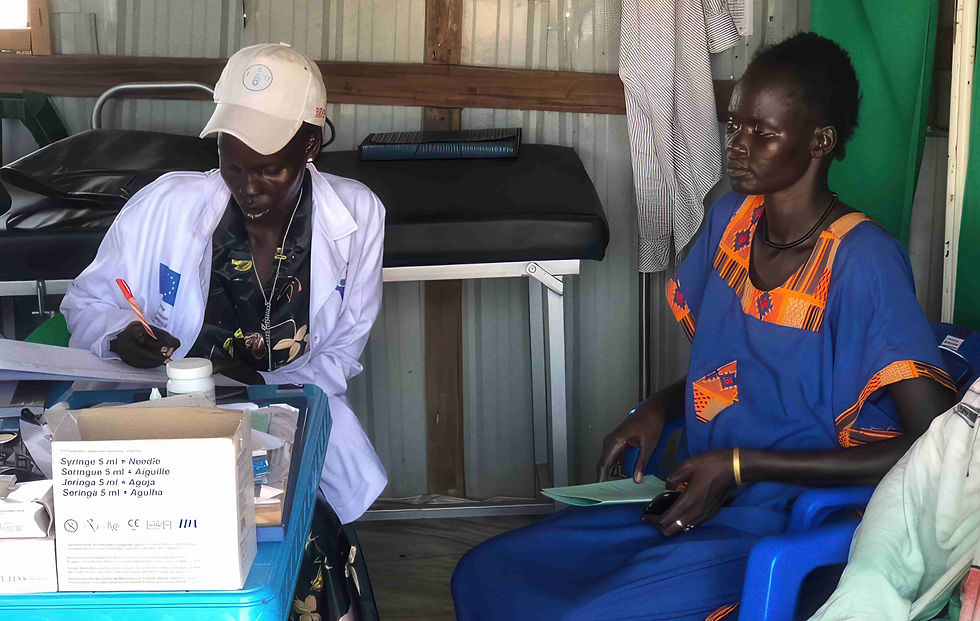
In the seven months between December 2024 and June 2025 alone, AFAA delivered 21,827 outpatient consultations, 150 emergency surgical procedures, 342 safe deliveries, and zero cholera deaths - during an active epidemic that killed 1,581 people nationally.
21,827
CONSULTATIONS
IN 7 MONTHS
Four components.
HOW THE healthcare MODEL WORKS
One integrated system.
LEVEL 1 – nyal
Primary Health Care Centre (PHCC)
The county's central health facility, taken over by AFAA in December 2024. Houses the CEmONC emergency obstetrics centre, performing caesarean sections and emergency surgery 24/7. Inpatient and outpatient consultations, maternity services, cholera treatment unit, and ANC/PNC. Staffed by a surgeon, anaesthetist, midwife, and scrub nurse.
LEVEL 2 – majak
Primary Health Care Unit
(PHCU)
AFAA's longest-running facility, serving over 100 patients per day. Outpatient consultations, immunisation, MUAC nutrition screening, antenatal and postnatal care, health education, and clinical care for survivors of sexual violence. The anchor facility from which AFAA's mobile team deploys.
LEVEL 3 – mobile
Mobile Health Clinic
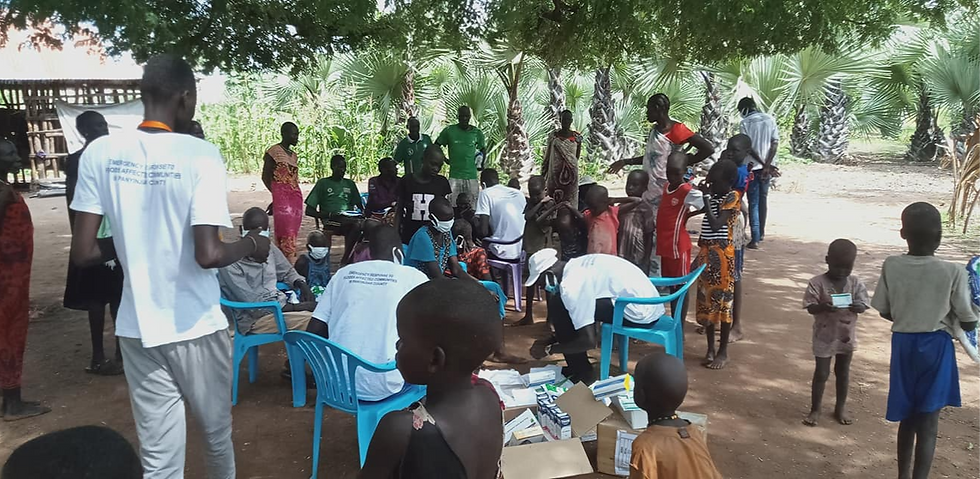
Reaches communities accessible only by boat: flooded islands, high-ground IDP sites, and Bomas without any healthcare. Delivers curative consultations, conducts deliveries at outreach sites, runs immunisation campaigns, and responds to outbreaks. In 2025, the mobile team delivered 51 babies across outreach sites, 33 in a single Boma that had been without services for years.
LEVEL 4 – community
Boma Health Intiative
(BHI)
50 trained Community Health Workers across 25 Bomas. The frontline of AFAA's early warning system: managing childhood illness, conducting MUAC screening, doing household visits, and referring cases upward. In March - June 2025 they managed 4,332 childhood illness cases and conducted 828 household visits reaching over 4,200 adults.

full package of healthcare services
Everything delivered across
AFAA’s health facilities
01
Emergency Surgery & Obstetrics
Caesarean sections, appendectomies, and other emergency procedures. 150 performed in 7 months including 27 gunshot patients referred from other facilities. The CEmONC centre at Nyal PHCC is the only emergency surgical facility in the county.
04
Nutrition Screen & Referral
MUAC screening for children under five at all levels of care. 1,209 children screened in a 4-month period; 113 malnourished children identified and referred to nutrition stabilisation centres. Nutrition education delivered during household visits.
07
Immunisation
Routine childhood immunisation including Pentavalent and measles vaccine. 423 children immunised across PHCU and mobile sites in 7 months. AFAA leveraged OCV cholera campaigns to simultaneously promote routine childhood immunisation in previously unreached communities.
02
Maternal Health
Antenatal and postnatal care, skilled birth attendance, traditional birth attendant training, safe delivery at facility and outreach sites. 342 safe deliveries in 7 months across facility and mobile outreach sites.
05
Cholera Response
257 cases treated at AFAA's Cholera Treatment Unit at Nyal PHCC. Zero deaths as of June 2025, against a national backdrop of 95,423 cases and 1,581 deaths. Boma Health Workers simultaneously reached 6,600 people with cholera prevention messaging.
08
Disease Surveillance & Reporting
AFAA deploys WHO's EWARS, IDSR, and DHIS2 systems, producing early warnings of health threats across the county. A trusted data source for the Ministry of Health at county, state, and national level, presenting findings at cluster meetings chaired by the Minister of Health and WHO.
03
Malaria, Diarrhoea & Pneumonia
The three leading killers of children under five. 13,153 malaria cases treated in 7 months - 60% of all outpatient consultations. Community health workers manage uncomplicated cases at village level, referring complications upward through the system.
06
Mental Health & GBV Services
Piloting of mental health and psychosocial support (MHPSS) services at Nyal PHCC. Clinical management of rape and related GBV services at Majak PHCU and mobile outreach sites. AFAA's presence in cut-off communities means survivors have access to care that would otherwise require a multi-hour boat journey to reach.
09
Disability & Inclusive Services
58 people with disabilities reached in a 4-month period, most through mobile outreach. Accessibility challenges mean this group is disproportionately underserved by static facilities. AFAA's community-level model specifically targets those who cannot travel to seek care.
- PROGRAMME 02
Food Security &
Livelihoods
Malnutrition contributes to child mortality in Panyijiar. Chronic food insecurity drives repeated health crises. Healthcare alone cannot solve this. AFAA's livelihoods programme builds the economic and agricultural foundations that make lasting health improvement possible.
Working in partnership with GOAL's SSHARP-THRIVE programme, funded by the UK's FCDO, AFAA supports fishing communities, farming households, women's savings groups, and market infrastructure across Panyijiar and Rubkona counties.
57%
Of South Sudan's population faced Crisis-level food insecurity between April and July 2025, including 2.5 million in Emergency conditions.
Malnutrition is rising, up 28% from 2024. Annual flooding in Panyijiar destroys crops and farmland, compounding chronic food insecurity across the county.
Sources: IPC / ACAPS 2025
- what afaa delivers
Food Security and Livelihood Interventions
01
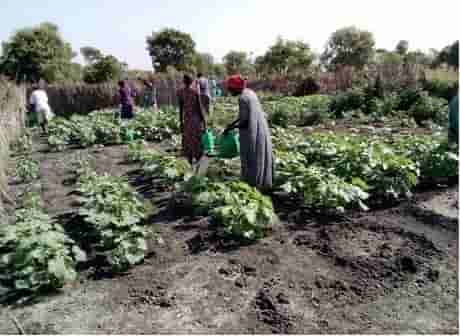
Village Savings & Loan Associations (VSLAs)
AFAA supports women and youth to form and run structured savings groups, providing access to small loans, financial literacy training, and peer-to-peer mentorship. Women previously without access to formal credit are starting businesses and diversifying income.
One participant took a 200,000 SSP VSLA loan, launched a tea business in Nyal, and repaid within three months.
04
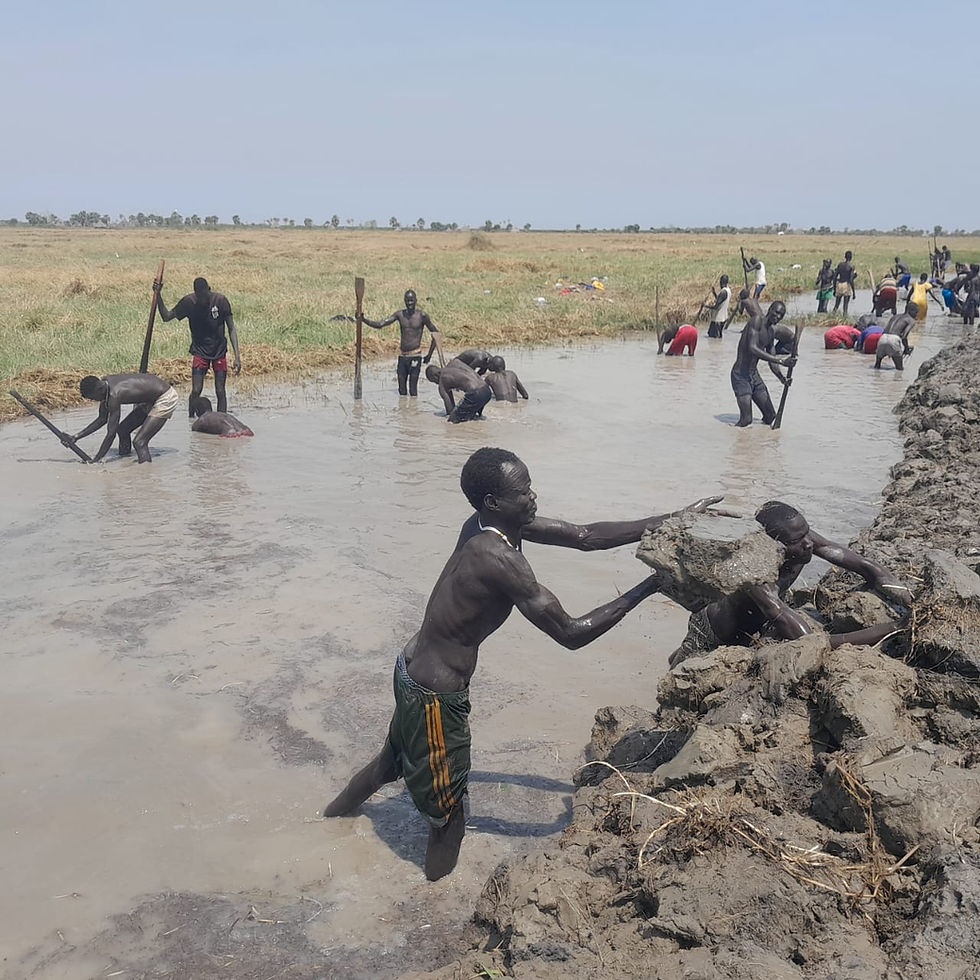
Flood Protection & Infrastructure
AFAA has constructed dykes around Nyal Airstrip, aggregation centres, and key farmlands: protecting agricultural productivity and humanitarian access during flood season.
In 2025, 25,000 empty sacks were distributed to flood task force committees for emergency dyke rehabilitation. Without this infrastructure, annual flooding destroys crops, cuts off markets, and forces families onto emergency aid.
02
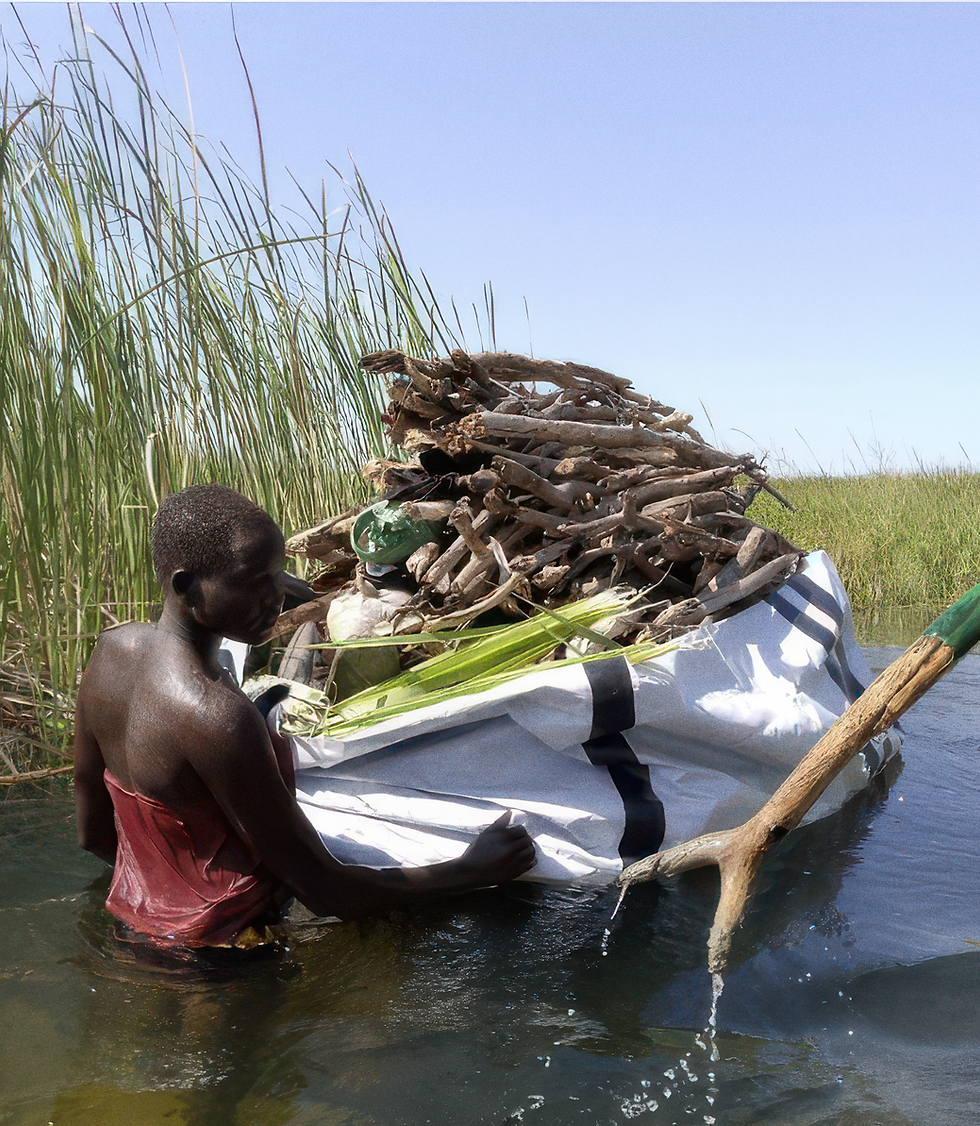
Fisheries Support & Cold Chain
Panyijiar's communities have fished the Sudd Wetlands for generations, however, without preservation infrastructure most catch spoils before it can be sold.
AFAA has installed cold chain facilities at fish markets in Nyal and Thornhom, extending shelf life and income potential. Sustainable fishing skills training, gear, and market connections are provided to fisher communities.
05
Financial Inclusion & Literacy
Training in financial skills, VSLA principles, REFLECT methodology for literacy, and people-centred advocacy.
In Q2/Q3 2025, 60 participants received financial inclusion and income generation training across Panyijiar and Rubkona. 75 natural leaders identified to support ongoing community-based advocacy.
03
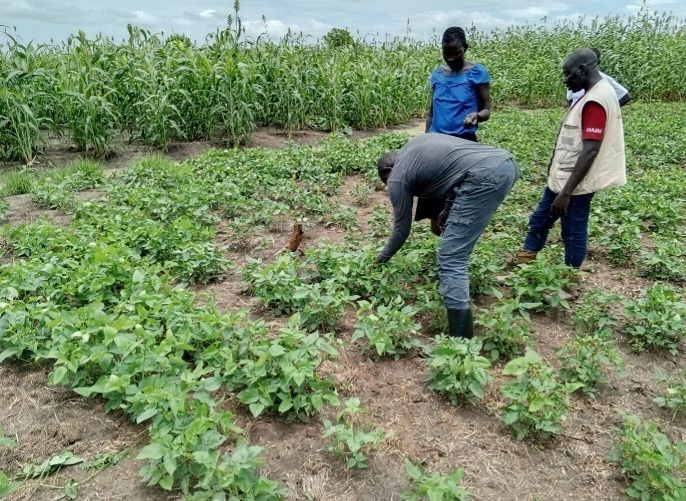
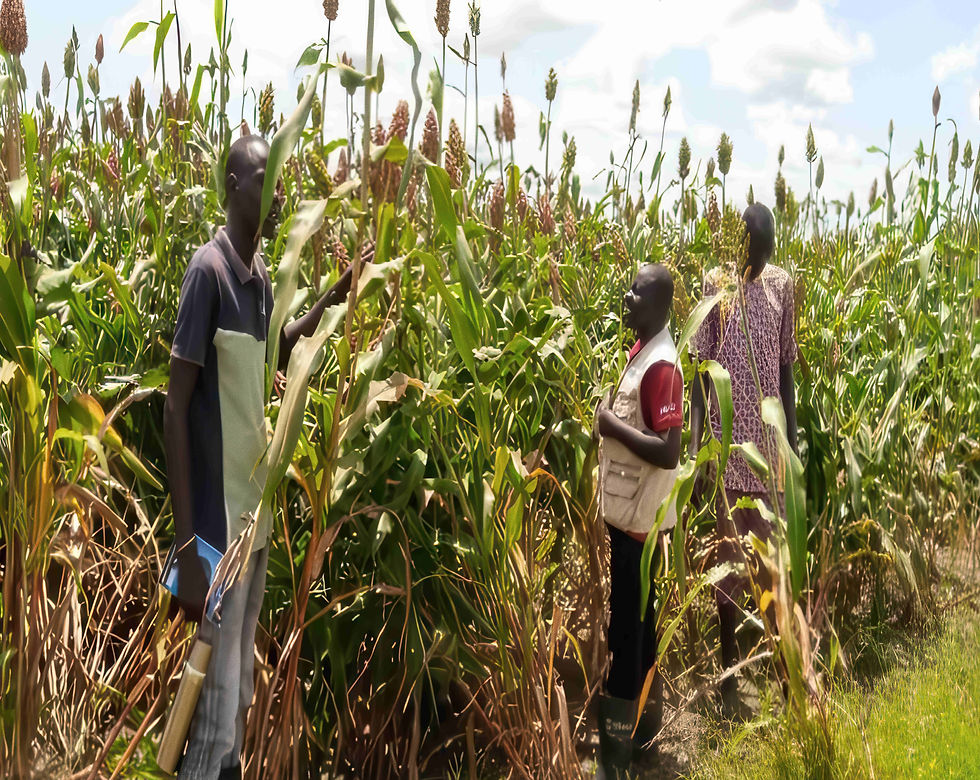
Agricultural Inputs & Training
Seeds, tools, and equipment distributed to farming households alongside practical training in agricultural best practices, nursery bed preparation, crop diversification, and post-harvest processing.
06
Market Development
Two expanded aggregation centres in Nyal and Thornhom, equipped with cold chain infrastructure, have increased market activity and income for fishing and farming households.
Local government now receives small tax revenues from market activity, signalling improved economic stability and community buy-in from the ground up.
- PROGRAMME 03
WASH:
Water, Sanitation and Hygiene
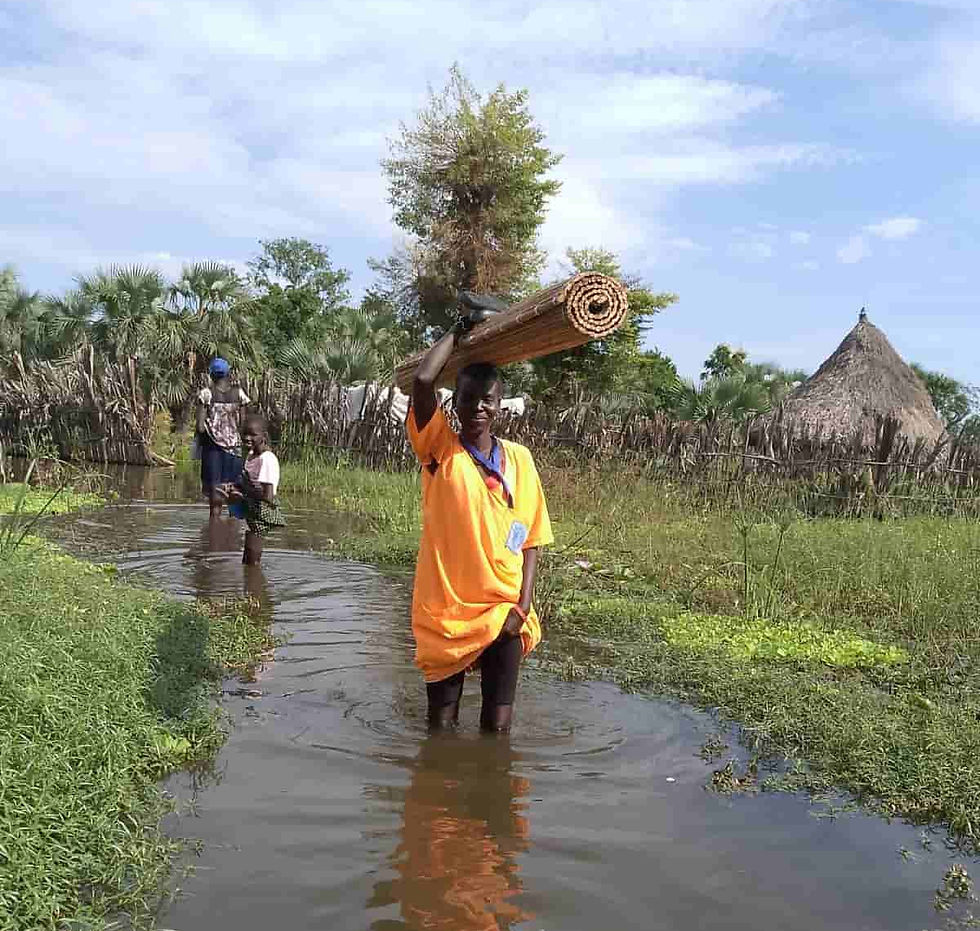
In Panyijiar, annual flooding contaminates water sources, destroys latrines, and creates conditions for cholera, typhoid, and diarrhoeal disease outbreaks. Children under five are disproportionately affected.
Over 75% of under-five deaths in South Sudan are caused by malaria, diarrhoea, and pneumonia (UNICEF). Diarrhoea and waterborne diseases are directly linked to access to clean water and sanitation. AFAA's WASH programme is an essential component of its health model, delivered in coordination with specialist WASH partners including UGEAFI.
AFAA's Boma Health Workers conduct hygiene promotion at markets, boreholes, wells, and community gathering points alongside their health outreach work.
ZERO
Cholera deaths in Panyijiar, during an outbreak that caused 95,423 cases and 1,581 deaths across 55 counties nationally. AFAA managed 257 cases at its treatment unit in Nyal with zero deaths recorded as of June 2025.
Source: OCHA, October 2025
- what afaa delivers
WASH Interventions
01
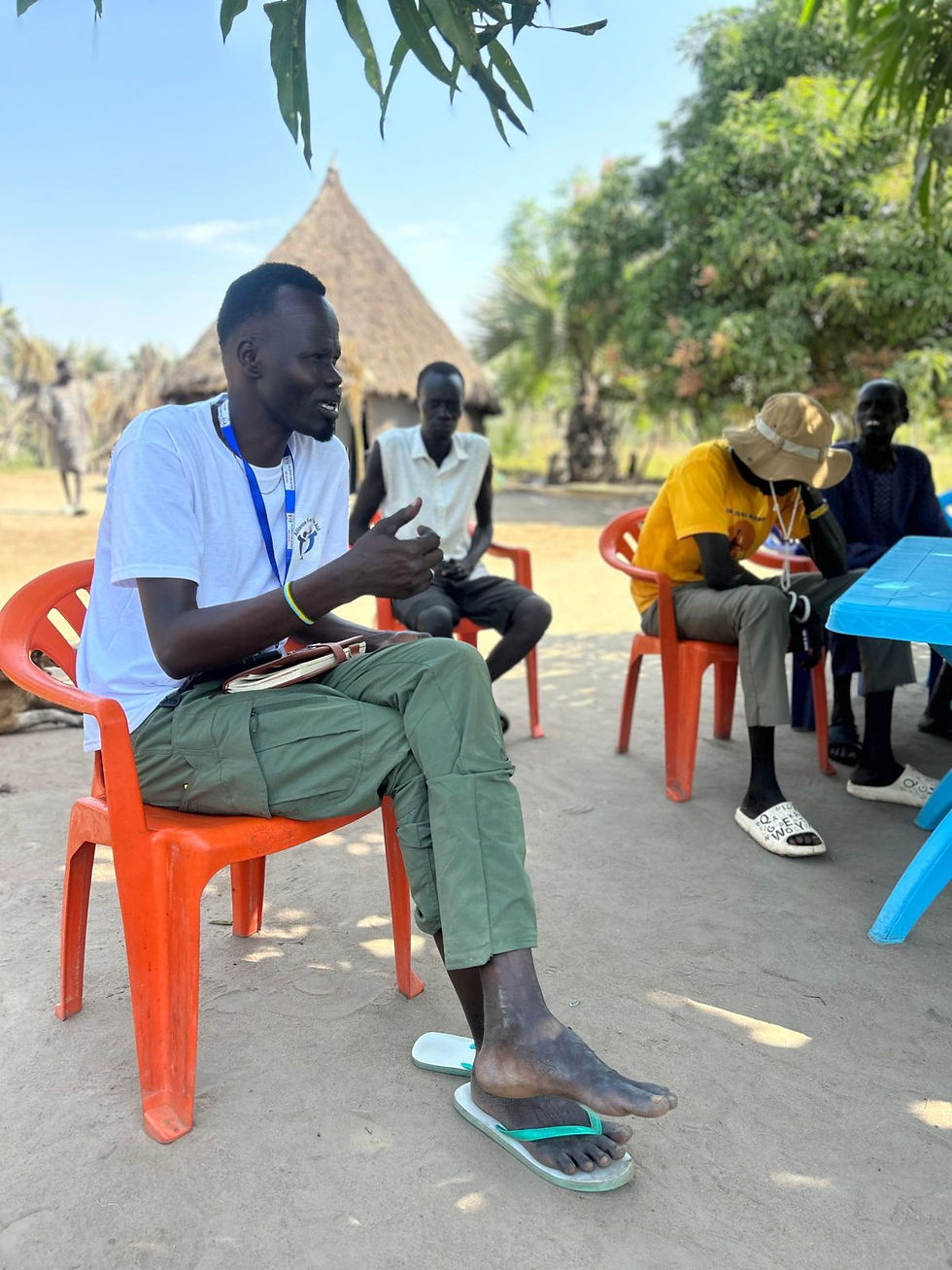
Hygiene Promotion & Community Engagement
Boma Health Workers conduct hygiene outreach at markets, boreholes, wells, and community centres.
During the 2025 cholera outbreak, BHWs reached 6,600 people with prevention messaging, playing a direct role in containing the disease before it reached epidemic levels in Panyijiar, where flooding creates near-perfect conditions for rapid spread.
02
Clean Water Access
Working with partner organisations to ensure access to safe drinking water for displaced and host communities, including water treatment and borehole rehabilitation.
During flood season, when surface water becomes the primary source for most households, access to treated water is a critical public health intervention.
Sanitation Infrastructure
Emergency latrine provision for displaced populations and host communities, particularly in IDP aggregation sites where flooding has destroyed existing sanitation infrastructure.
Poor sanitation is a primary driver of cholera, typhoid, and diarrhoeal disease, among the leading causes of child mortality in the county.
03
Oral Cholera Vaccine Campaigns
04
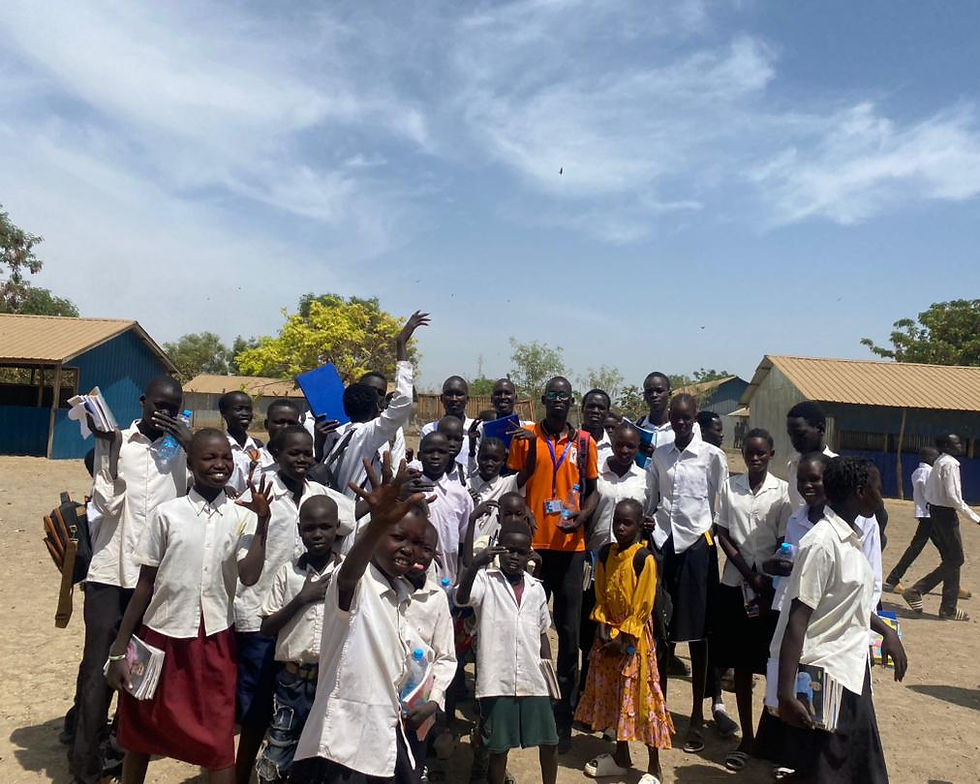
AFAA coordinated OCV campaigns in Panyijiar as part of its cholera response, simultaneously using vaccine distribution events to promote routine childhood immunisation.
This integration leveraged community trust and health worker presence to reach previously under-immunised children.
- PROGRAMME 04
Protection Mainstreaming & Peacebuilding
In Panyijiar, health outcomes are inseparable from security. Intercommunal conflict displaces communities, destroys health facilities and prevents people from accessing care. Gender-based violence is a chronic and under-reported crisis. Children in conflict lose access to education and face recruitment risk.
AFAA's protection mainstreaming and peacebuilding work, delivered through the SSHARP-THRIVE programme across Panyijiar and Rubkona Counties, operates at community, school, and leadership level to build conflict resilience, protect survivors and create the social conditions in which health and livelihoods work can take root.
Intercommunal conflict in Panyijiar displaces communities, destroys health facilities and prevents people from accessing care. Since January 2025, 322,000 people have been displaced by conflict in South Sudan (OCHA, 2025).
120 PEACE AMBASSADORS TRAINED IN 2025
322,000
People displaced by conflict in South Sudan since January 2025, the context in which AFAA's protection and peace-building work operates.
Sources: OCHA, October 2025
- what afaa delivers
Protection Mainstreaming and Peacebuilding
01
Clinical Care for GBV Survivors
Clinical management of rape and related GBV services at Majak PHCU and mobile outreach sites.
AFAA's presence in cut-off communities means survivors have access to care that would otherwise require a multi-hour boat journey to reach.
04
Peace Ambassador Training
Peace ambassadors trained in cattle camps, the source of much of Panyijiar's intercommunal conflict, where cattle raiding and resource disputes regularly escalate into violence.
Training covers conflict monitoring and rapid community dialogue. Peace dialogues recorded for broadcast on local FM radio, with 116 participants engaged in Q3 2025.
02
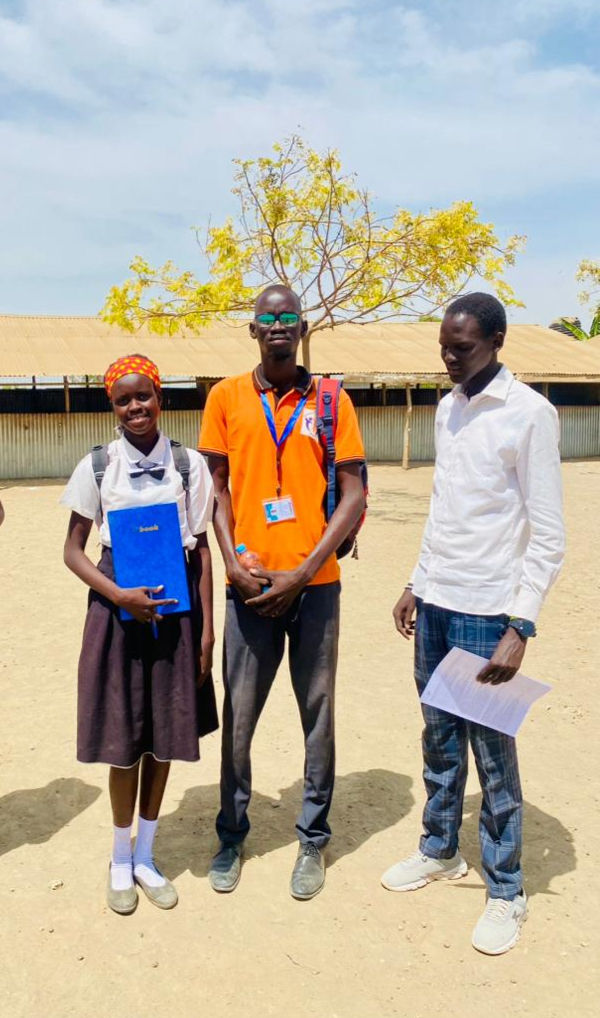
School Peace Clubs
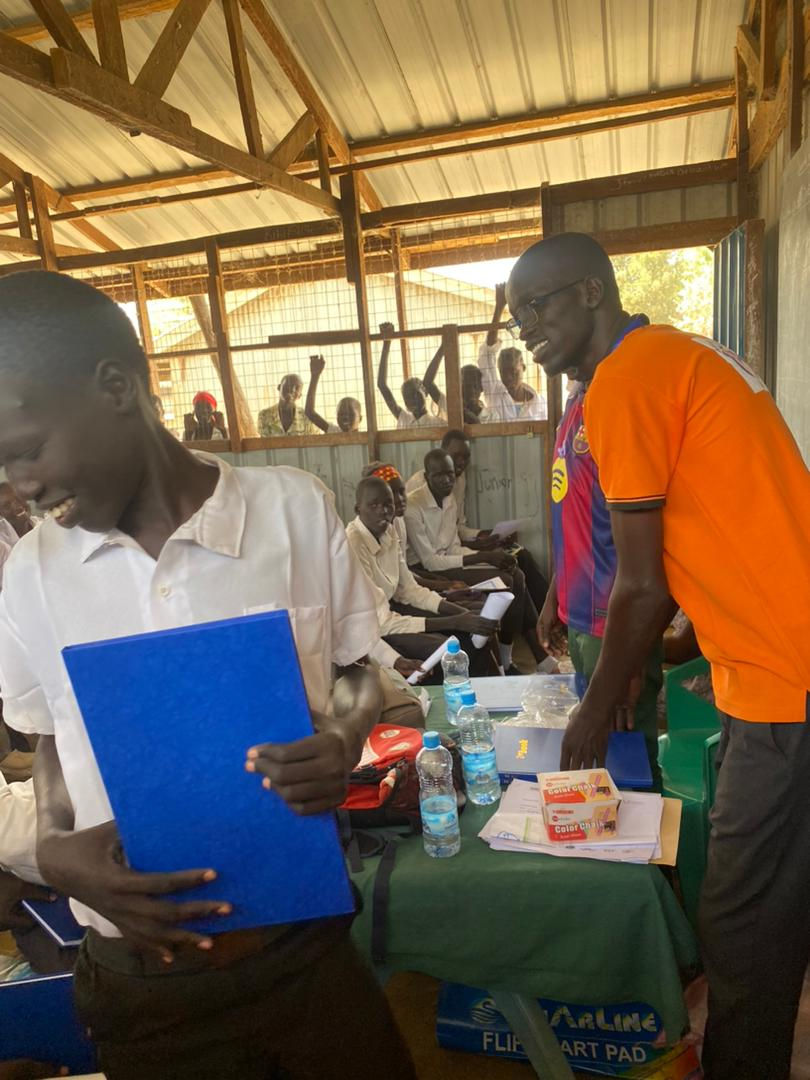
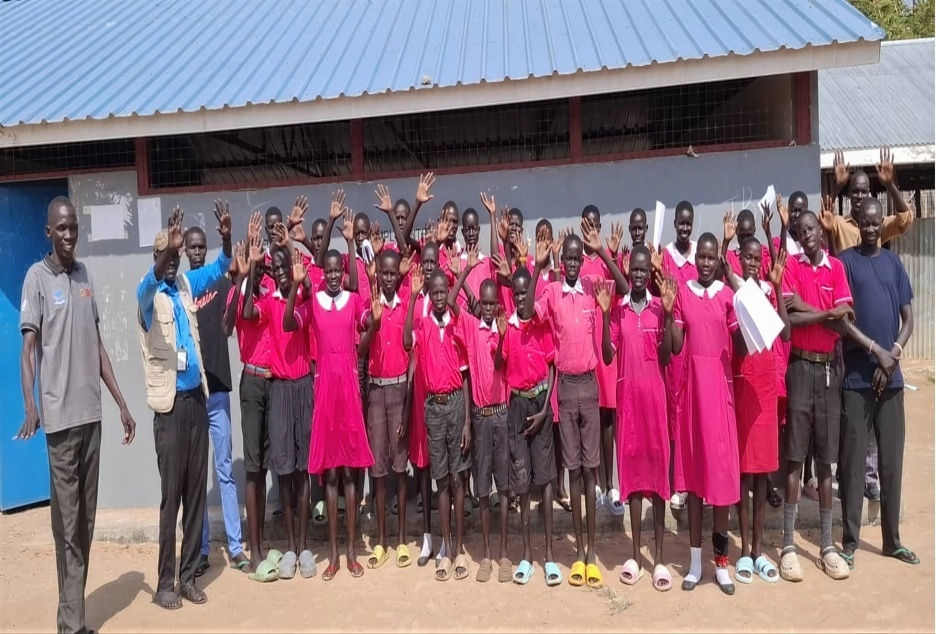
Peace clubs in schools across Panyijiar and Rubkona engaging young people in conflict resolution, civic education, and community leadership. 60 new peace club members identified and engaged in Q3 2025.
Global Peace Day celebrations and sports competitions organised for over 100 young people, creating spaces where communities separated by conflict can interact constructively.
05
Women's Leadership & Economic Empowerment
75 natural leaders identified to support people-centred advocacy. 90 participants received mentorship; 56 received financial skills and VSLA training. Women and youth champions trained in REFLECT methodology.
Protection and economic empowerment are deliberately linked. Women with economic independence are more resilient to GBV and displacement.
03
Conflict Early Warning System
AFAA has devised and tested a conflict Early Warning System (EWS) with 60 trained community volunteers in Panyijiar, enabling rapid conflict monitoring and early response in coordination with local government and peace committees.
06
Psychosocial Support
AFAA is piloting mental health and psychosocial support (MHPSS) services at Nyal PHCC.
Communities experiencing years of displacement, flooding, food insecurity, and conflict carry significant psychological burden that is rarely addressed in emergency health responses.